Step-by-Step Guide: Update Gmail Password on Your iPhone for Enhanced Security
In our increasingly connected digital world, securing your online accounts is paramount. Your Gmail account, often the central hub for your digital life, holds a treasure trove of personal information, from emails and documents to access to other services. This makes knowing how to update Gmail password on iPhone for account security not just a good practice, but a necessity. Whether you suspect unauthorized access, want to strengthen your existing password, or simply practice good digital hygiene, changing your Gmail password on your iPhone is a straightforward process. This comprehensive guide will walk you through two primary methods – using your iPhone's built-in Settings and directly through the Gmail app – ensuring your account remains safe and secure.
Why Regularly Update Your Gmail Password?
Many users only think about changing passwords when a security breach is reported or when they face suspicious activity. However, proactive password changes offer significant benefits:
- Mitigate Data Breach Risks: Even strong passwords can be compromised in large-scale data breaches affecting other services where you might have reused passwords. Regularly updating your Gmail password prevents old, potentially exposed passwords from being used against your most critical account.
- Combat Phishing and Malware: If you've inadvertently clicked on a malicious link or fallen victim to a phishing attempt, changing your password quickly can prevent attackers from gaining persistent access.
- Enhance Overall Security Posture: A fresh, unique password makes your account harder to crack through brute-force attacks or dictionary attempts. Combining this with changing your Gmail password on iPhone: app & settings methods provides robust protection.
- Address Suspicious Activity: If you notice unusual login attempts, unfamiliar sent emails, or other anomalies, a password change should be your immediate first step.
Before you begin, ensure you have your current Gmail password handy. If you've completely forgotten it, Google provides robust account recovery options, which typically involve verifying your identity through a recovery email, phone number, or security questions. You'll need access to these recovery options to regain access and set a new password.
Method 1: Updating Your Gmail Password via iPhone Settings
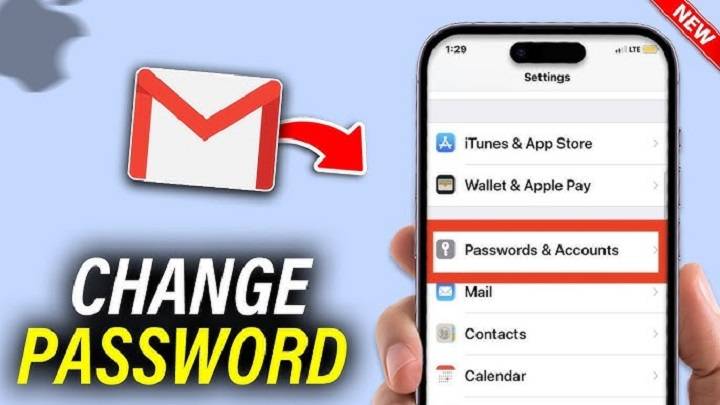
The iPhone's 'Passwords & Accounts' section offers a convenient way to manage your email passwords directly from your device's operating system. This method is ideal if your Gmail account is already integrated with your iPhone's native Mail app and you prefer to manage it system-wide.
- Open the Settings App: Locate and tap the gray 'Settings' icon on your iPhone's home screen.
- Navigate to Passwords & Accounts: Scroll down the Settings menu until you find 'Passwords & Accounts' (on newer iOS versions like iOS 14 and later, this might be found under 'Mail' > 'Accounts', or 'Contacts' > 'Accounts', or even directly 'Passwords' from the main settings list, followed by Face ID/Touch ID authentication). Tap on it.
- Select Your Gmail Account: Under the 'Accounts' section, you'll see a list of all email and other accounts configured on your iPhone. Tap on the specific Gmail account you wish to update.
- Access Account Details: On the next screen, you'll see various settings for your selected Gmail account. Tap on 'Account' (usually labeled with your full Gmail address). This will open the detailed account configuration page.
- Change the Password: Look for the 'Password' field. Tap on it. You will then be prompted to enter your new Gmail password in the designated field.
- Save Your Changes: After carefully typing in your desired new password, tap 'Done' or 'Save' (the exact wording may vary slightly depending on your iOS version) to confirm and apply the changes.
Your iPhone will then attempt to verify the new password with Google's servers. If successful, your Gmail password is now updated on your iPhone's system, and the native Mail app will use the new credentials. This method primarily updates the password for services that utilize iOS's integrated account management.
Method 2: Changing Your Gmail Password Using the Gmail App
For a more direct approach that updates your Google Account password across all Google services, using the official Gmail app is an excellent and often preferred option. This method directly interacts with Google's security settings, ensuring a comprehensive update.
- Launch the Gmail App: Find and tap the colorful Gmail app icon on your iPhone's home screen to open it.
- Tap Your Profile Picture: In the top-right corner of the Gmail app interface, you'll see your Google profile picture or initial. Tap on it to open your account menu.
- Manage Your Google Account: From the pop-up menu that appears, select 'Manage Your Google Account'. This action will redirect you to your Google Account settings, either within the app or in a web browser, depending on your device's configuration.
- Navigate to the Security Tab: On the 'Google Account' screen, you'll see a row of tabs at the top (e.g., Home, Personal info, Data & privacy, Security). Swipe or tap to select the 'Security' tab.
- Find the Password Option: Scroll down to the 'Signing in to Google' section. Here, you will find an option clearly labeled 'Password'. Tap on it.
- Verify Your Identity: For security reasons, Google will first ask you to enter your current Gmail password. Type it in accurately and tap 'Next'. If you've forgotten it, look for the 'Forgot password?' option and follow Google's recovery prompts to regain access.
- Enter Your New Password: On the new password page, you will see two fields: 'New Password' and 'Confirm New Password'. Type your newly generated strong password into both fields to ensure there are no typos.
- Confirm the Change: Tap the 'Change Password' button at the bottom of the screen.
You will receive a success message confirming that your Gmail account password has been successfully changed. For added security, Google may also send a security alert email to your recovery address to inform you of this activity. This direct change affects your entire Google Account, not just your Gmail on that particular iPhone.
What to Do After Changing Your Gmail Password
Updating your password is just the initial step in enhancing your account's security. Here are crucial follow-up actions to ensure comprehensive protection:
Update on Other Devices and Apps
Your new password won't automatically sync to every device or application where your Gmail account is used. You'll need to manually update it on:
- Other Smartphones/Tablets: If you access Gmail on an Android device, another iPhone, or any other mobile device, remember to update the password there.
- Desktop Email Clients: Email programs like Microsoft Outlook, Mozilla Thunderbird, Apple Mail on your Mac, or any other desktop email client will require the new password to continue fetching emails.
- Third-Party Apps: Any applications that use your Google Account for login or data access (e.g., productivity tools, calendar apps, cloud storage services linked to Google) might require you to re-authenticate with the new password.
- Web Browsers: If you have "remember me" or password auto-fill enabled on web browsers, you might be prompted to re-enter your password on your next visit to Gmail.com or other Google services.
Sign Out of All Other Sessions
Especially if you suspect unauthorized access, Google offers a vital feature within your security settings that allows you to sign out of all active sessions across all devices. This immediately revokes access from any previously logged-in location. You can usually find this option under the 'Security' tab of your Google Account, often within the 'Your devices' section under 'Manage devices'.
Troubleshooting Common Issues
- Forgot Current Password: If you don't remember your current password and cannot proceed with the password change, use Google's account recovery process. Go to the Google sign-in page, enter your email, and click 'Forgot password?'. Google will guide you through verification steps using your recovery email or phone number.
- Password Not Syncing: If after changing the password, your iPhone (or other devices) keeps asking for the old one, try removing and then re-adding your Gmail account from the device's settings. This forces a fresh authentication.
- Unable to Access Account After Change: Double-check that you are typing the new password correctly. Pay close attention to caps lock, numerical keys, and special characters. If issues persist, revert to Google's account recovery options or contact Google support if you're completely locked out.
Best Practices for Robust Gmail Security
Beyond changing your password, incorporate these crucial habits for a truly secure Gmail experience:
- Enable Two-Factor Authentication (2FA): This adds an essential extra layer of security, requiring a second verification step (like a code from your phone or a physical security key) in addition to your password. It's one of the most effective security measures you can take against unauthorized access.
- Use a Strong, Unique Password: Your new password should be a complex mix of uppercase and lowercase letters, numbers, and symbols. Aim for at least 12-16 characters. Crucially, do not reuse it for any other online account to prevent credential stuffing attacks.
- Utilize a Password Manager: Tools like LastPass, 1Password, or Bitwarden can generate, securely store, and auto-fill strong, unique passwords for all your accounts, making management simple and highly secure.
- Regular Security Check-ups: Periodically visit your Google Account's 'Security Checkup' page (accessible via 'Manage Your Google Account'). It provides personalized recommendations and insights into your account's security status.
- Be Wary of Phishing Attempts: Always verify the sender of suspicious emails and never click on links or download attachments from unknown sources. Remember, Google will never ask for your password in an email.
Conclusion
Knowing how to update Gmail password on iPhone for account security is a fundamental skill in today's digital landscape. Whether you choose the iPhone Settings method or the Gmail app approach, both offer effective ways to bolster your account's defenses. By adopting a proactive mindset towards password management and incorporating additional security layers like 2FA and password managers, you can significantly reduce your risk of account compromise. Make regular password updates a part of your digital routine and enjoy the peace of mind that comes with a well-secured Gmail account.