Change Your Gmail Password on iPhone: App & Settings Methods
Maintaining the security of your digital life is paramount, and your Gmail account often serves as the central hub for many of your online activities. Given its importance, knowing how to update Gmail password on iPhone effectively is a crucial skill. Whether you suspect unauthorized access, want to strengthen your existing password, or simply practice good digital hygiene, changing your Gmail password regularly is a proactive step towards safeguarding your data. This comprehensive guide will walk you through two primary methods to accomplish this on your iPhone: using the dedicated Gmail app and adjusting settings directly within iOS.
We'll not only detail the step-by-step processes but also provide valuable insights into creating strong passwords, post-update security measures, and ensuring your account remains secure across all devices.
Why Updating Your Gmail Password is Essential for iPhone Users
In an age of increasing cyber threats, the integrity of your email account is under constant siege. Phishing scams, data breaches, and brute-force attacks are all potential avenues for unauthorized access. If your Gmail account is compromised, it could grant attackers access to your contacts, personal documents in Google Drive, and even allow them to reset passwords for other services linked to that email. Therefore, regularly updating your Gmail password, especially from the convenience of your iPhone, offers several critical benefits:
- Enhanced Security: A new, strong password acts as a robust barrier against potential hackers.
- Mitigate Breach Impact: If an old password was part of a data breach, changing it immediately prevents its reuse on your Gmail.
- Prevent Unauthorized Access: If you suspect someone has gained access, changing your password immediately locks them out.
- Peace of Mind: Knowing your account is secured with a fresh, complex password provides significant reassurance.
Before you begin, ensure you have access to your current Gmail password. If you’ve forgotten it entirely, Google offers robust recovery options, often involving a recovery phone number or alternate email address, which you should ideally have set up beforehand. For more on account security, consider visiting How to Update Gmail Password on iPhone for Account Security.
Method 1: Changing Your Gmail Password Using the Gmail App
For a direct and comprehensive way to change your Google Account password, using the official Gmail app on your iPhone is often the most intuitive and recommended method. This process directly interacts with Google's security settings, ensuring the change is applied at the source.
Step-by-Step Guide to Change Gmail Password via the Gmail App:
- Launch the Gmail App: Find and tap the Gmail app icon on your iPhone's home screen. Make sure you're signed into the account you wish to update.
- Access Your Profile: In the top-right corner of the Gmail app interface, tap on your Google profile picture or initial. This will open a menu with options related to your account.
- Manage Your Google Account: From the profile menu, select "Manage Your Google Account." This action will redirect you to your Google Account settings page, which typically opens within your default browser or a dedicated Google interface.
- Navigate to Security: On the Google Account screen, you'll see various tabs at the top (Home, Personal info, Data & privacy, Security, etc.). Swipe or tap to select the "Security" tab.
- Find the Password Option: Scroll down to the "Signing in to Google" section. Here, you will find the "Password" option. Tap on it.
- Verify Your Identity: For security purposes, Google will prompt you to enter your current Gmail password to confirm your identity. Type it into the designated field and tap "Next."
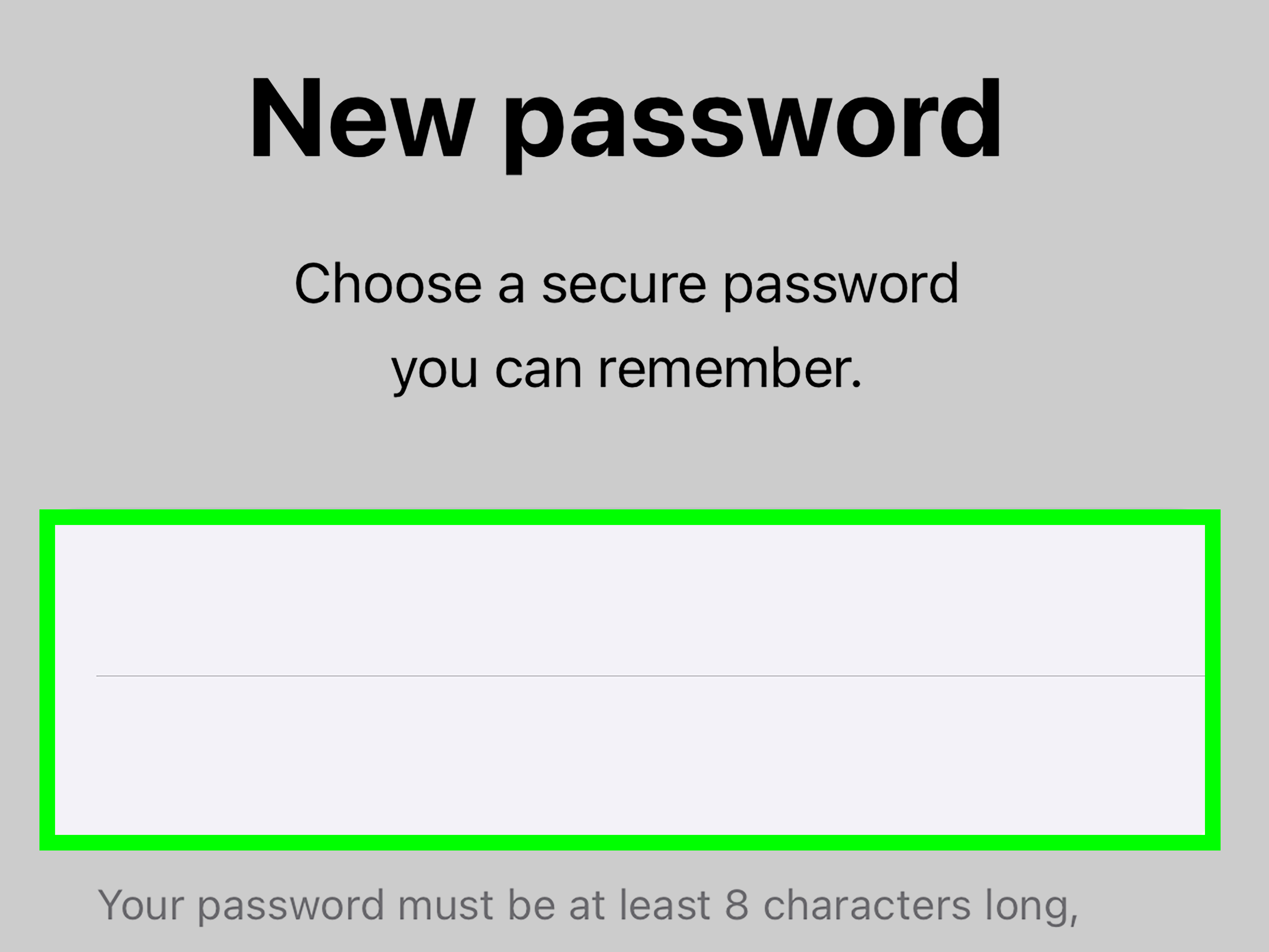
- Enter Your New Password: On the "New password" page, you will see two fields: "New password" and "Confirm new password."
- Tap the "New password" field and carefully type your newly chosen, strong password.
- Re-enter the exact same password into the "Confirm new password" field to ensure there are no typos.
- Confirm the Change: Once both fields match, tap the "Change Password" button.
You will receive a success message confirming that your Gmail account password has been successfully changed. Congratulations! Your Google account is now secured with your new password. Remember to use a strong, unique password – a combination of uppercase and lowercase letters, numbers, and symbols, at least 12-16 characters long. Avoid using personal information or easily guessable phrases. Consider using a reputable password manager to generate and securely store complex passwords.
Method 2: Updating Your Gmail Password Through iPhone Settings
While the Gmail app method directly changes your Google Account password, you might also need to update the password stored within your iPhone's native settings, especially if you use Apple's Mail app or other built-in iOS features that access your Gmail. This method primarily updates the credentials stored on your device to ensure continuous access with your new password.
Step-by-Step Guide to Update Gmail Password via iPhone Settings:
- Open the Settings App: Tap the grey "Settings" app icon on your iPhone's home screen.
- Access Passwords & Accounts: Scroll down and tap on "Passwords & Accounts" (on newer iOS versions, this might be under "Mail" then "Accounts" or directly "Mail," "Contacts," "Calendars").
- Select Your Gmail Account: Under the "Accounts" section, you will see a list of all accounts configured on your iPhone. Tap on your Gmail account. It will typically be labeled "Gmail" or show your Gmail address.
- Tap 'Account': On the next screen, which displays your Gmail account details, tap on "Account" again. This often leads to the specific server settings for your account.
- Update Password: You will see a "Password" field, usually obscured. Tap on this field.
- If you have already changed your Gmail password using the Gmail app or a web browser, you can enter your new password here. This updates your iPhone's stored credentials.
- If your iPhone detects a mismatch or if this is the first time you're changing it, iOS might redirect you to Google's sign-in page within Safari or a secure pop-up. Follow the prompts to sign in with your new password or go through Google's official password change process if prompted.
- Save Changes: After entering or updating the password, tap "Done" or "Save" (the exact button may vary depending on the iOS version) to apply the changes to your iPhone's stored settings.
This method ensures that your iPhone's native apps and services can seamlessly connect to your Gmail account with the updated credentials. If you experience issues, restarting your iPhone can often resolve minor connectivity glitches. For a more detailed walkthrough, refer to Step-by-Step Guide: Update Gmail Password on Your iPhone.
Essential Post-Update Steps and Advanced Security Tips
Changing your Gmail password is a significant step, but your security journey doesn't end there. To maximize the protection of your Google account and ensure a smooth transition, consider these vital actions and tips:
- Update on All Devices: Your new password needs to be consistently applied. Log in with the new password on all other devices (laptops, tablets, smart devices), email clients (Outlook, Thunderbird), and any third-party apps that access your Gmail. Failing to do so will result in login errors or a complete loss of access until updated.
- Enable Two-Factor Authentication (2FA): This is arguably the single most important security measure you can take. With 2FA, even if someone has your password, they can't access your account without a second verification step (e.g., a code sent to your phone, a prompt on your trusted device, or a physical security key). Google offers excellent 2FA options, including Google Authenticator and Google Prompts.
- Review Account Activity: After changing your password, it's wise to review your Google Account activity. Go to your Google Account (via the Gmail app or a browser), navigate to the "Security" tab, and look for "Your devices" and "Recent security activity." This allows you to spot any suspicious logins or unfamiliar devices and remove them.
- Utilize a Password Manager: A password manager (like LastPass, 1Password, or Bitwarden) can generate ultra-strong, unique passwords for all your accounts and securely store them. This eliminates the need to remember complex strings of characters and significantly reduces the risk of credential stuffing attacks.
- Regular Password Review: Make it a habit to review and update your most critical passwords every few months, even if there's no immediate threat. This proactive approach keeps you ahead of potential security issues.
- Set Up Recovery Options: Ensure your recovery phone number and email address are current and accessible in your Google Account settings. These are critical lifelines if you ever forget your password or lose access to your primary devices.
- Beware of Phishing: Always be skeptical of emails or messages asking for your password or personal information, even if they appear to be from Google. Google will never ask for your password in an email. Always go directly to the official Google site or app to manage your account.
Conclusion
Knowing how to update Gmail password on iPhone is more than just a technical task; it's a fundamental aspect of your personal cybersecurity strategy. By utilizing either the Gmail app or your iPhone's settings, you can efficiently secure your account with a new, robust password. Remember that the true strength of your password lies not just in its complexity but also in your consistent adherence to best practices like enabling two-factor authentication, using a password manager, and regularly monitoring your account activity. Take these steps today to fortify your Gmail account and protect your digital footprint from evolving online threats.